

our culture
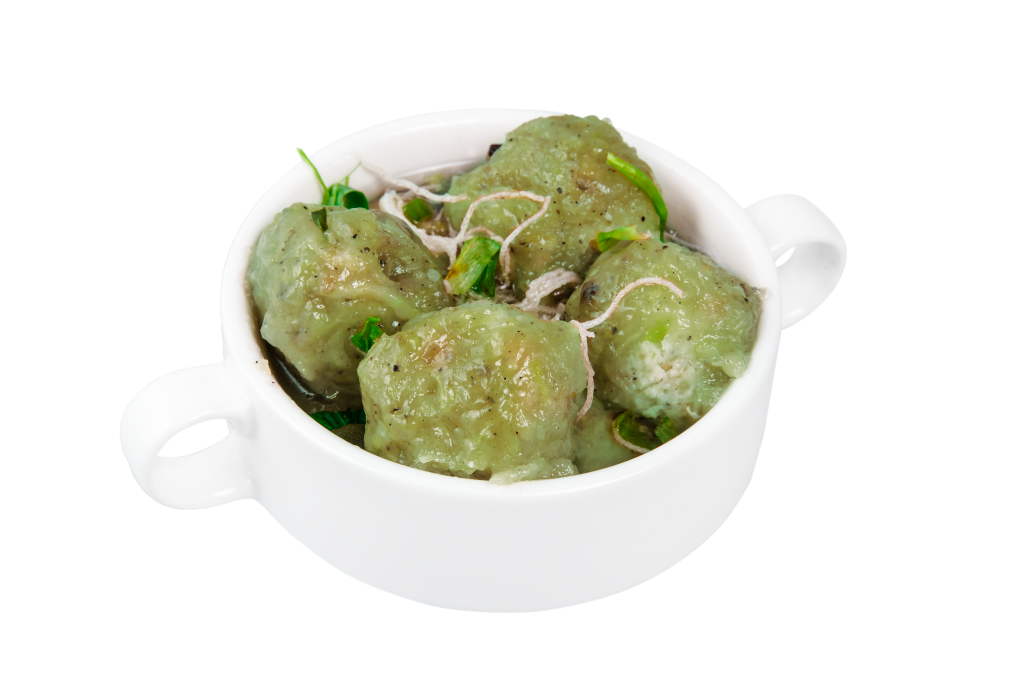
Boulettes
Boulette, or Mauritian dumplings, are a beloved part of Mauritius’s culinary heritage, reflecting the island’s rich cultural diversity. Introduced by Chinese immigrants in the 19th century, these steamed or fried dumplings quickly became a staple in Mauritian street food. Made from ingredients like fish, meat, shrimp, or vegetables, and often served with a spicy broth or dipping sauce, boulettes showcase the fusion of flavours that characterises Mauritian cuisine.
Over time, *boulettes* evolved, incorporating local ingredients and influences from other communities on the island, including Indian and Creole spices. Today, they are enjoyed by Mauritians of all backgrounds and can be found at street stalls, markets, and restaurants across the island.
*Boulette* culture highlights the island’s history of immigration and cultural blending, with this humble dish now representing comfort, flavour, and togetherness in Mauritius. Whether enjoyed as a quick snack or a light meal, *boulettes* remain an enduring favourite, cherished by locals and visitors alike.

A Brief History Of Briani
Briani*, a flavorful and aromatic rice dish, holds a special place in Mauritian street food and reflects the island’s multicultural heritage. Originally introduced by Muslim and Indian immigrants during the colonial era, briani is inspired by the traditional Indian *biryani* but has evolved with a Mauritian twist. The dish is typically made with spiced basmati rice, marinated meat (such as chicken, beef, or lamb), potatoes, and aromatic spices, slow-cooked to perfection.
In Mauritius, *briani* is often sold by street vendors and enjoyed at family gatherings, weddings, and festivals. It has become more than just a dish; *briani* symbolises community, celebration, and the blending of culinary traditions. Unlike Indian *biryani*, Mauritian *briani* has distinct local adaptations, such as the inclusion of whole boiled eggs, local spices, and the omission of certain ingredients like yogurt, making it unique to the island.
The popularity of *briani* in Mauritius showcases the fusion of cultures that defines the island’s identity. Today, it remains one of the most beloved street foods, enjoyed by Mauritians of all backgrounds and celebrated as an iconic part of the nation’s gastronomic landscape.
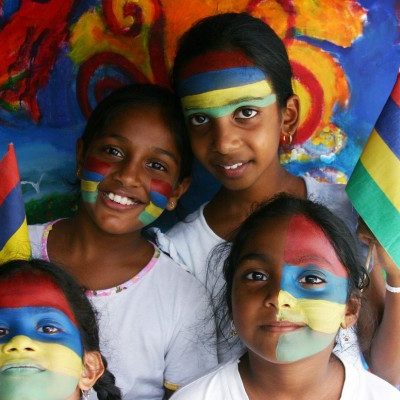
Multi Culture
Mauritian culture is a vibrant tapestry woven from the island’s diverse history of immigration and colonial influences. With roots in Africa, India, China, and Europe, Mauritian culture is an extraordinary blend of traditions, languages, religions, and customs. This multicultural society developed through the arrival of enslaved Africans under Dutch and French rule, indentured laborers from India under British rule, and Chinese and Muslim merchants, each contributing unique elements to Mauritian life.
Languages such as Creole, English, French, and various Indian dialects are widely spoken, showcasing the linguistic diversity of the island. Mauritius celebrates a variety of religious and cultural festivals, including Diwali, Eid, Christmas, and Chinese Spring Festival, where communities come together to honor their heritage and celebrate unity in diversity.
Mauritian cuisine is another reflection of this blend, featuring Indian curries, Chinese noodles, French pastries, and Creole street foods like *dholl puri* and *briani*. Music and dance styles, such as *sega*, born from African influences, are integral to local culture and express the island’s unique rhythm and spirit.
Through its diversity, Mauritian culture embodies tolerance, harmony, and a shared national identity, making it a powerful example of unity in diversity and one of the island’s greatest sources of pride.

Fish Vindaye
Fish Vindaye* is a popular Mauritian dish with origins in Indian cuisine, specifically inspired by the Indian *vindaloo*. It was adapted and made unique by early Indian immigrants who brought their culinary traditions to Mauritius. In *vindaye*, fish is typically marinated in turmeric and spices, then fried and mixed with mustard seeds, garlic, ginger, and vinegar, giving it a distinct tangy and spicy flavor.
This dish became a staple for preserving fish, as the acidic vinegar and spices helped it last longer in a tropical climate before refrigeration was widely available. Over time, *fish vindaye* became a beloved dish among Mauritians of all backgrounds and is often enjoyed with bread, rice, or farata.
Today, *fish vindaye* is not only a testament to Mauritius’s history of immigration and cultural blending but also a favorite at family gatherings and special occasions. Its bold flavors and unique preparation make it an enduring part of Mauritian cuisine, reflecting the island’s creativity and adaptability in the kitchen.
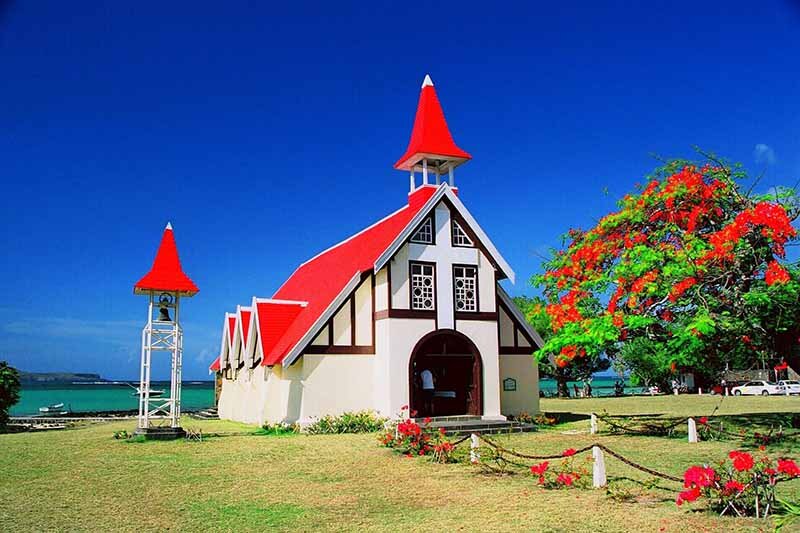
La Chapelle de Cap Malheureux
The Church of Notre Dame Auxiliatrice, known for its iconic red roof, is a beloved landmark in Cap Malheureux, a picturesque village at the northern tip of Mauritius. Built in 1938, this small Catholic church stands out with its vibrant red roof, white walls, and breathtaking views of the turquoise lagoon and nearby islands. Its location and architecture make it one of the most photographed sites on the island.
The church holds deep historical significance for Mauritians, as Cap Malheureux was the landing site of British forces when they took control of Mauritius from the French in 1810. Despite its tragic name—*Malheureux* meaning “unfortunate” in French—Cap Malheureux is now a place of peace and spirituality, with the church offering a serene spot for reflection.
Today, the Notre Dame Auxiliatrice Church remains a popular site for locals and tourists alike, symbolising the blend of history, faith, and natural beauty that characterises Mauritius. Its red roof against the tropical landscape has made it an enduring symbol of the island’s charm and heritage.

Eid
Islam has played an integral role in shaping the cultural and social fabric of Mauritius, with the Muslim community being an important part of the island’s multicultural heritage. The tradition of celebrating Eid, particularly with family, is central to the practice of Islam in Mauritius. During Eid, which marks the end of Ramadan, families come together in joyous celebration, and it is common for grandparents, parents, and children to unite for prayers, feasts, and the sharing of blessings.
For many Muslim Mauritians, Eid is a time to express gratitude for the strength and patience shown during the month of fasting. Grandparents, with their wisdom and love, often play a significant role in the celebrations, passing down traditions, stories, and values to younger generations. The warmth and togetherness of the family are reflected in the festive atmosphere, with children eagerly receiving *Eidi* (gifts) from their elders, symbolising the love and unity within the family.
This generational bond, especially during important occasions like Eid, highlights the strong familial ties that are a hallmark of Mauritian society. It is a time of renewal, unity, and spiritual reflection, where the entire family, from grandparents to children, celebrates the joy of togetherness and the importance of faith.
Tourism
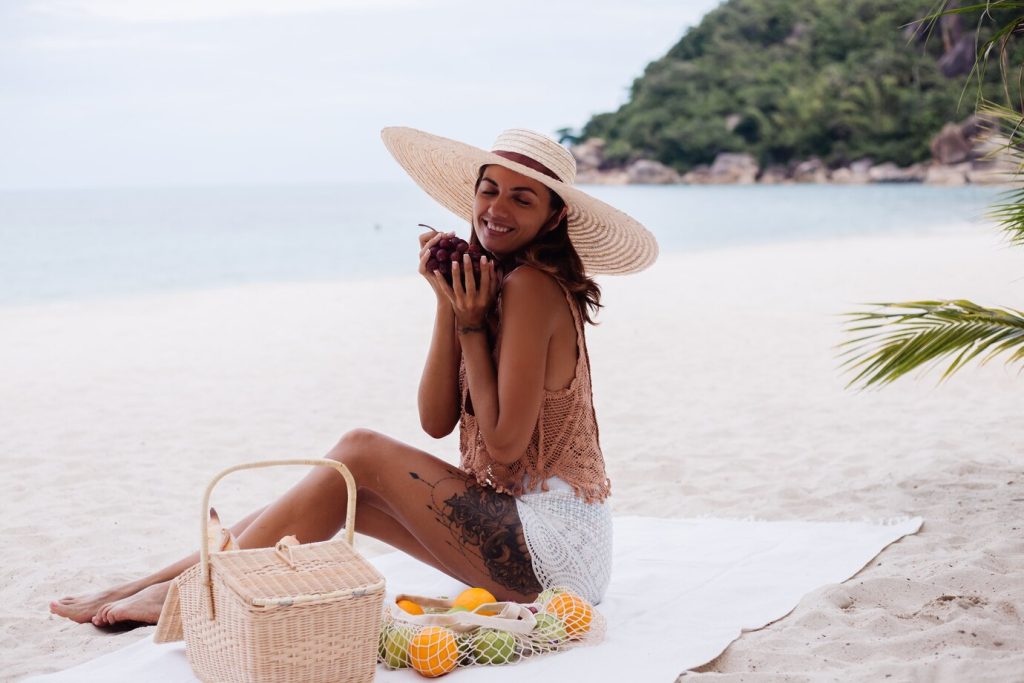
Mauritius, with its pristine beaches and tropical climate, has long been a popular destination for tourists, including many from European countries. The island’s vibrant tourism industry has attracted visitors from around the world, contributing to its multicultural identity. Among these visitors, you’ll find young women from various backgrounds enjoying the island’s natural beauty.
The image of a young, fit, and tanned Caucasian woman in knitted clothes and a hat on a beach in Mauritius reflects the island’s appeal as a place for relaxation and adventure. The blend of sun, sea, and sand has made Mauritius a top choice for those seeking to unwind in a luxurious yet laidback environment.
Over the years, Mauritius has cultivated a reputation not only for its stunning landscapes but also for its hospitality and diverse cultural offerings. This mix of tourism and local Mauritian charm has helped shape the island into a global destination, where visitors from all walks of life can experience its beauty, history, and warm atmosphere. The presence of tourists, such as those enjoying the beach in stylish attire, showcases the island’s blend of cosmopolitan influences and natural allure.
Bharatnatyam Dancer Natraj Posture
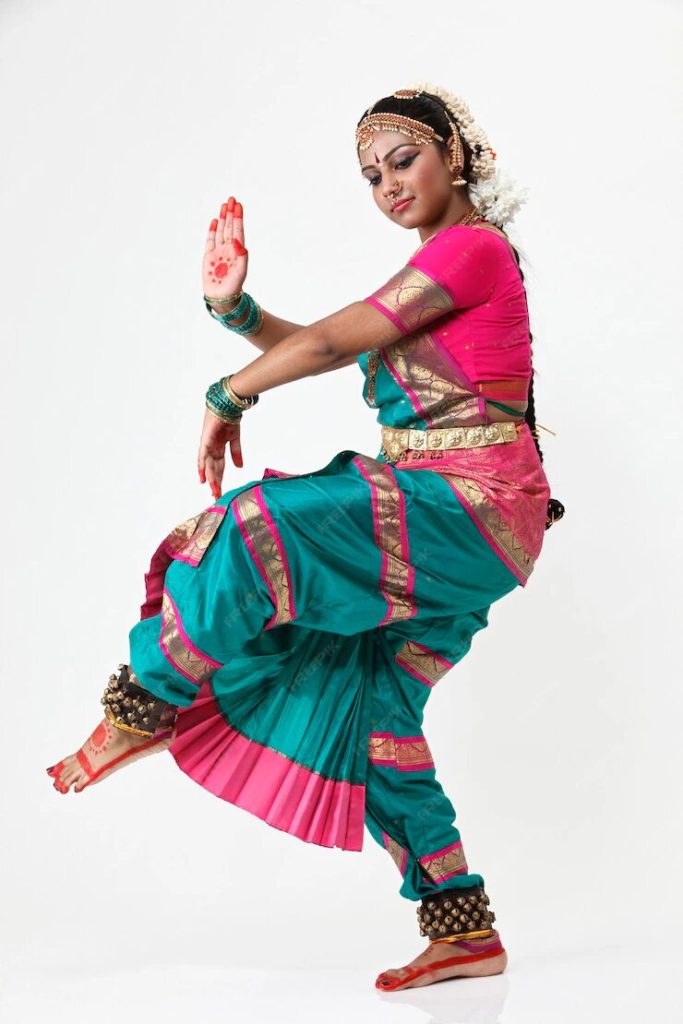
Bharatanatyam, one of the oldest and most revered classical dance forms of India, has become an important part of the cultural landscape in Mauritius. Introduced by Indian immigrants, particularly Tamil indentured laborers who arrived in the 19th century, Bharatanatyam was originally performed as a devotional dance in temples. Over time, it evolved and gained popularity beyond religious settings, becoming a symbol of Indian heritage in Mauritius.
The Nataraj posture, named after Lord Shiva as the cosmic dancer, is a key element of Bharatanatyam, symbolising the divine dance of creation, preservation, and destruction. In this pose, the dancer holds one arm above the head, while the other is extended to the side, with one leg lifted in a graceful, balanced stance. This posture is not only an expression of grace and discipline but also reflects the deep spiritual and cultural significance embedded in the dance form.
Today, Bharatanatyam is widely practiced and celebrated in Mauritius, with performances at cultural events and festivals such as Diwali and Tamil Thai Pongal. The Nataraj posture, along with other intricate movements and storytelling techniques of Bharatanatyam, continues to be a beautiful expression of Mauritius’s Indian heritage, symbolising the island’s rich cultural diversity and artistic traditions.
Holi
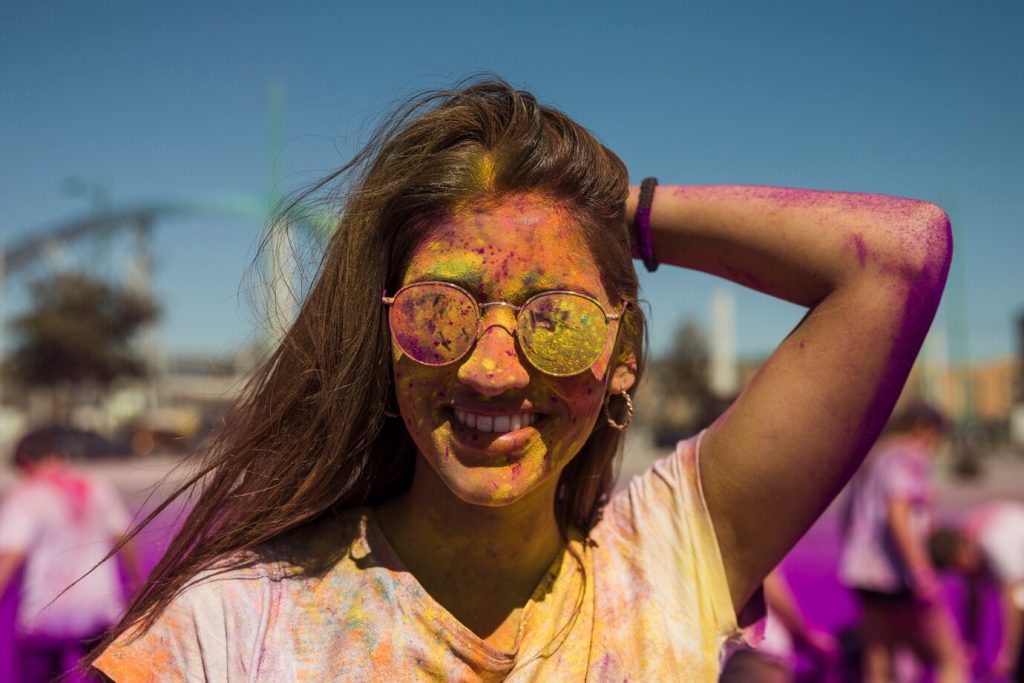
The image of a smiling young woman wearing sunglasses, covered in vibrant colors from the festival of Holi, captures the joyful and multicultural spirit of Mauritius. Holi, known as the Festival of Colors, is a popular celebration for Mauritian Hindus, marking the arrival of spring and the victory of good over evil. It is celebrated with great enthusiasm, where people throw colorful powders at each other, dance to music, and enjoy sweets with family and friends.
Holi was brought to Mauritius by Indian indentured laborers who arrived in the 19th century, and over time, it has become a major cultural event celebrated by people of all backgrounds on the island. The festival represents unity, joy, and the breaking of social barriers, as people come together to celebrate, regardless of their social or religious differences.
The vibrant scene of a young woman, happily covered in Holi colors, embodies the spirit of this festival, where the streets come alive with energy, laughter, and an explosion of colors. Today, Holi is not only a religious observance but also a celebration of Mauritian multiculturalism, bringing together people from different communities to share in the joy and beauty of this ancient tradition.
Mauritian Sega
Mauritian artisans have long been an integral part of the island’s cultural and economic heritage. The craft traditions in Mauritius reflect the island’s diverse history, influenced by African, Indian, Chinese, and European cultures. From intricate wooden carvings and basket weaving to hand-made textiles and pottery, Mauritian artisans produce work that is deeply rooted in the island’s multicultural identity.
One of the most famous traditional crafts is *dodo* carving, where local artisans create sculptures of the extinct dodo bird, a symbol of Mauritius’s unique wildlife. Similarly, the art of embroidery and the creation of vibrant *kora* (Mauritian quilts) are distinct expressions of local craftsmanship, often passed down through generations.
Artisans in Mauritius have also maintained the production of hand-woven baskets, intricate jewelry, and beautiful textiles, which are sold at local markets and exported around the world. Their work not only keeps traditional Mauritian skills alive but also provides insight into the island’s rich
cultural diversity.
Today, Mauritian artisans continue to play a key role in preserving the island’s heritage and fostering its creative economy. Through their artistry, they ensure that Mauritian traditions are celebrated and passed on, contributing to the island’s unique identity on the global stage.
Chinese New Year
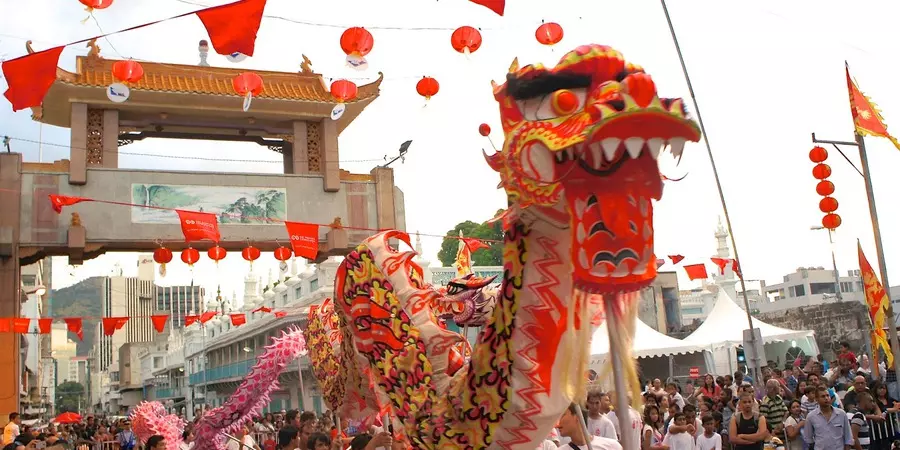
Chinese New Year, or the Spring Festival (see also § Names), is a festival that celebrates the beginning of a new year on the traditional lunisolar Chinese calendar. It is one of the most important holidays in Chinese culture, and has been added to the Intangible Cultural Heritage of Humanity list by the United Nations Educational, Scientific and Cultural Organization in 2024. Marking the end of winter and the beginning of spring, this festival takes place from Chinese New Year’s Eve (the evening preceding the first day of the year) to the Lantern Festival, held on the 15th day of the year. The first day of Chinese New Year begins on the new moon that appears between 21 January and 20 February.
Cavadee
Chinese New Year, or the Spring Festival (see also § Names), is a festival that celebrates the beginning of a new year on the traditional lunisolar Chinese calendar. It is one of the most important holidays in Chinese culture, and has been added to the Intangible Cultural Heritage of Humanity list by the United Nations Educational, Scientific and Cultural Organization in 2024. Marking the end of winter and the beginning of spring, this festival takes place from Chinese New Year’s Eve (the evening preceding the first day of the year) to the Lantern Festival, held on the 15th day of the year. The first day of Chinese New Year begins on the new moon that appears between 21 January and 20 February.
Faratas
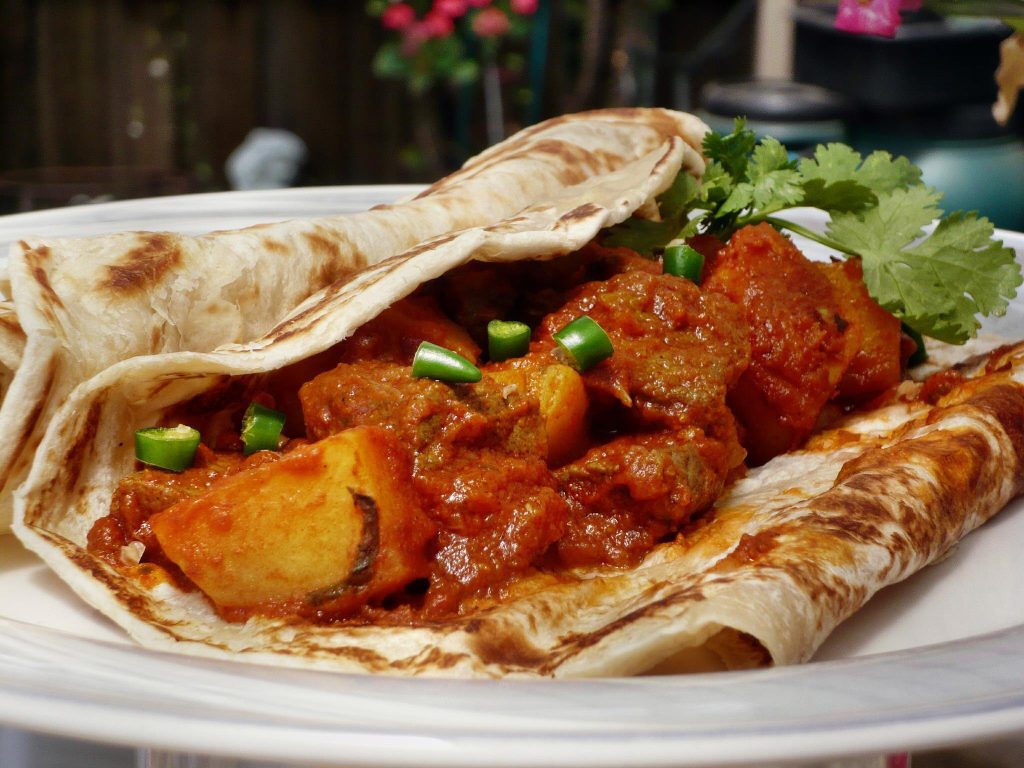
Faratas, a type of flatbread similar to Indian parathas, have become a beloved staple in Mauritian cuisine, often enjoyed with a variety of curries. Originally brought by Indian indentured labourers in the 19th century, faratas quickly integrated into Mauritian food culture. Made with simple ingredients—flour, water, and oil—faratas are soft, flaky, and perfect for scooping up flavorful sauces.
One popular pairing is *faratas* with beef and potato curry, a dish that reflects Mauritius’s culinary fusion. The curry is prepared with tender beef, potatoes, tomatoes, and an aromatic blend of spices like turmeric, cumin, and coriander. Slow-cooked to develop rich flavors, this curry is ideal for wrapping in a piece of warm, freshly made *farata*.
This combination embodies the island’s multicultural heritage, merging Indian culinary traditions with local ingredients and Creole influences. Whether enjoyed at home, at street food stalls, or during gatherings, *faratas* with beef and potato curry represent the warmth and diversity of Mauritian cooking and the island’s spirit of sharing good food with loved ones.
Taste of Mauritius
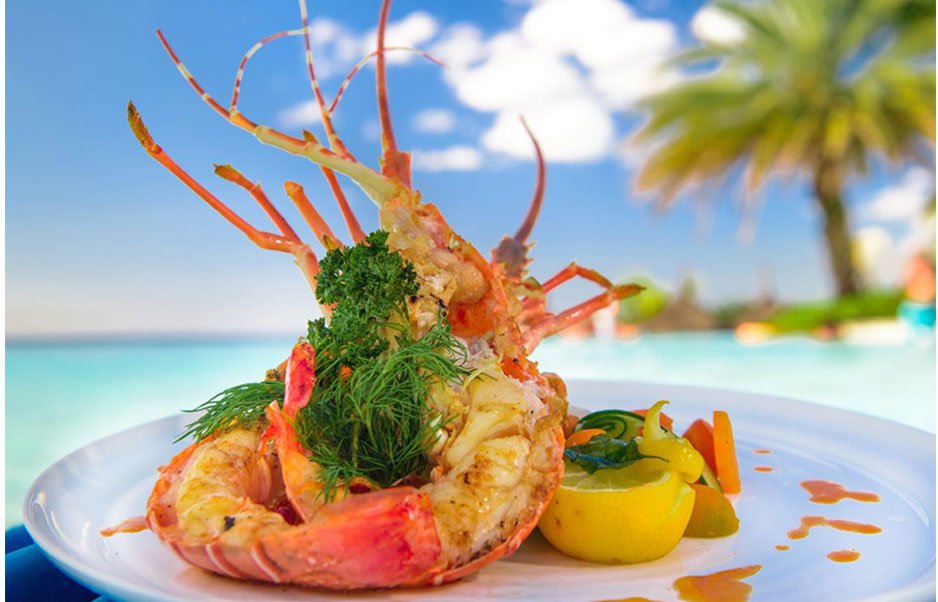
The *Taste of Mauritius* is a unique reflection of the island’s diverse cultural heritage, shaped by centuries of migration and trade. With influences from Africa, India, China, and Europe, Mauritian cuisine is a rich fusion of flavors, techniques, and ingredients, resulting in dishes that are as varied as they are flavorful.
Staples like *dholl puri*, *faratas*, and *briani* reveal Indian influences, while Creole dishes like *rougaille* and *vindaye* showcase African and French heritage. Chinese-inspired dishes, such as fried noodles and dumplings, further add to the variety, while European desserts like *napolitaines* bring a sweet touch. Spices like turmeric, cumin, and cloves, alongside local ingredients like tropical fruits and fresh seafood, are commonly used, giving Mauritian food its bold and vibrant character.
The *Taste of Mauritius* is celebrated not only in local homes but also in bustling markets and street food stalls, where these multicultural flavors come to life. This culinary diversity is a testament to Mauritius’s history of welcoming people from around the world, each leaving their mark on the island’s cuisine. Today, Mauritian food represents unity in diversity, embodying the warmth, creativity, and resilience of its people.

Dal Puri
Mauritian Dal Puri are deep-fried flatbreads, a staple in Mauritian cuisine. Unlike their Indian counterparts, these puris are significantly larger and often thicker, achieving a delightful puffiness. The dough is typically enriched with a flavorful lentil filling (dal), giving the puri a subtle savory taste that complements the crisp, slightly chewy texture. They’re commonly served as an accompaniment to curries, chutneys, and other savory dishes, offering a satisfying textural contrast and absorbing the rich flavors of the meal.
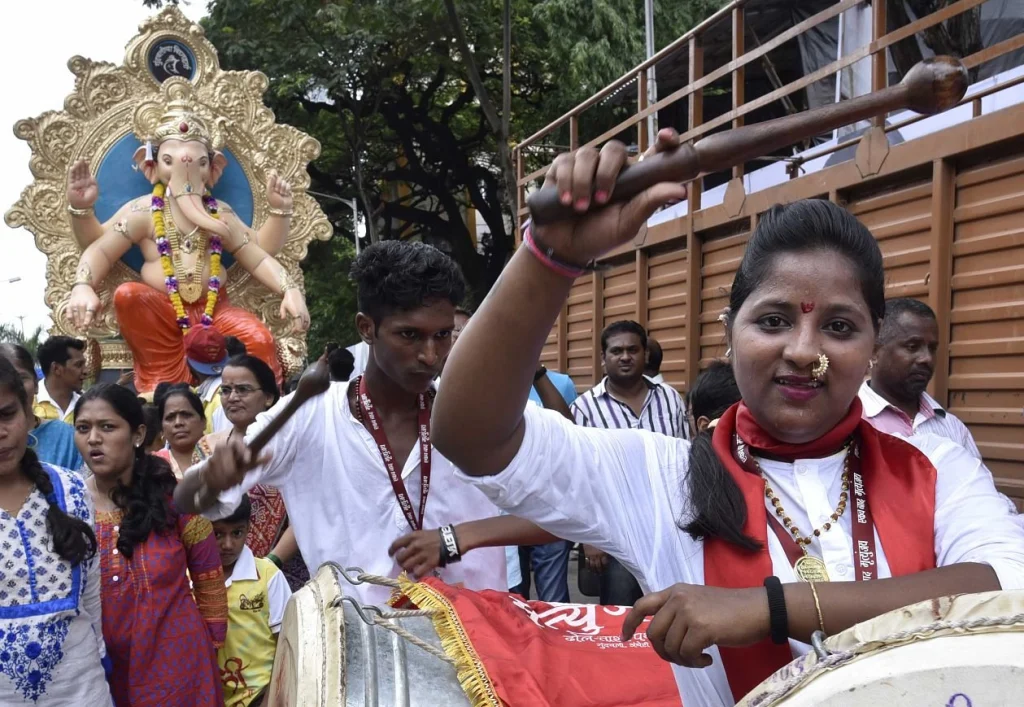
Shivshakti Mitra Mandal Gundawali Andheri Celebrates
Ganesh Chaturthi (ISO: Gaṇeśa Caturthī), also known as Vinayaka Chaturthi (Vināyaka Caturthī) or Vinayaka Chavithi (Vināyaka Cavithī) or Vinayagar Chaturthi (Vināyagar Caturthī), is a Hindu festival celebrating the birthday of Hindu deity Ganesh.[1] The festival is marked with the installation of Ganesha’s murtis (devotional representations of a deity) privately in homes and publicly on elaborate pandals (temporary stages). Observances include chanting of Vedic hymns and Hindu texts, such as prayers and vrata (fasting).[1] Offerings and prasada from the daily prayers, that are distributed from the pandal to the community, include sweets such as modak as it is believed to be a favourite of Ganesha.[2][3] The festival ends on the tenth day after start, when the murti is carried in a public procession with music and group chanting, then immersed in a nearby body of water such as a river or sea, called visarjana on the day of Ananta Chaturdashi.
Source: https://www.gettyimages.com/detail/news-photo/shivshakti-mitra-mandal-gundawali-andheri-celebrates-during-news-photo/599183884?utm_medium=organic&utm_
source=google&utm_campaign=iptcurl
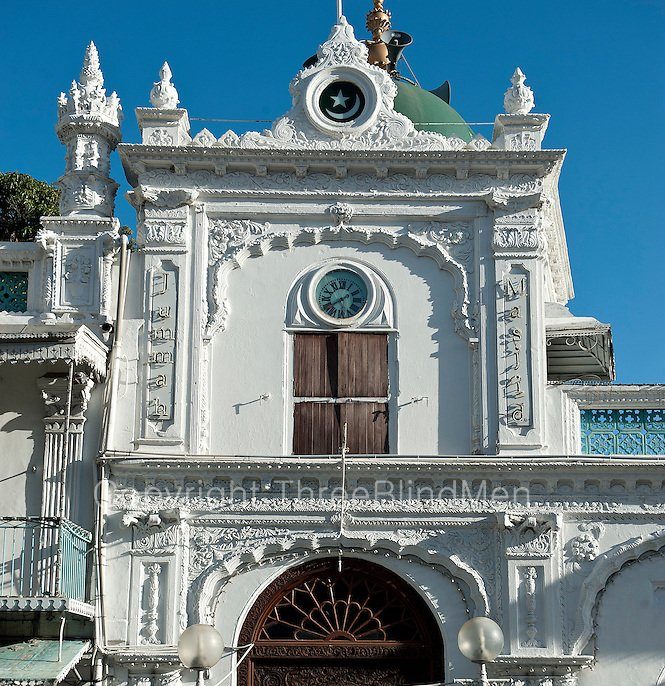
Jummah Masjid Port Louis
The Jummah Masjid in Port Louis, completed in 1850, is one of the oldest and most important mosques in Mauritius, representing both religious devotion and cultural heritage. Located in the bustling heart of Port Louis, the mosque was built by early Muslim traders and immigrants from India and the Middle East, who brought their traditions and beliefs to the island.
The mosque’s architecture is a beautiful blend of Indian, Creole, and Islamic styles, featuring intricate woodwork, a peaceful courtyard with lush greenery, and a stunning white façade. Over the years, it has served as a central place of worship, community gathering, and learning for Mauritian Muslims, while also welcoming people from all backgrounds who appreciate its historical and cultural significance.
The Jummah Masjid stands today not only as a religious site but also as a symbol of Mauritius’s multicultural society and the legacy of its Muslim community. Its enduring presence in Port Louis is a testament to the island’s history of tolerance and unity in diversity, making it a cherished landmark and a part of the nation’s identity.
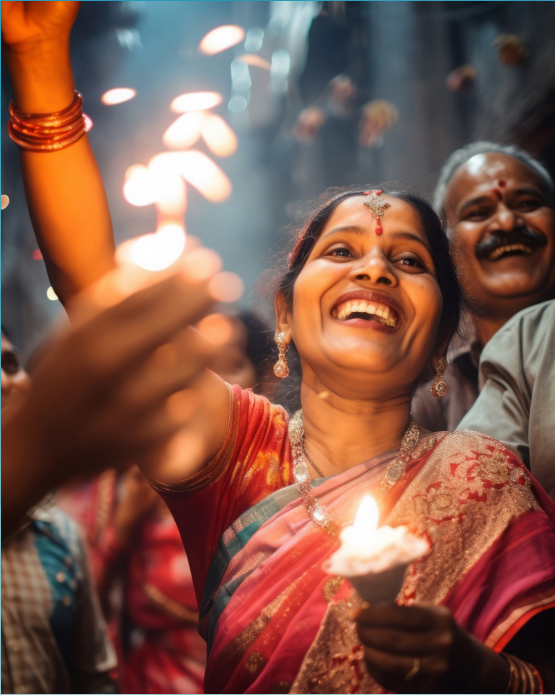
Diwali
Diwali, one of the major religious festivals in Hinduism, Jainism, and Sikhism, lasting for five days from the 13th day of the dark half of the lunar month Ashvina to the second day of the light half of the lunar month Karttika. (The corresponding dates in the Gregorian calendar usually fall in late October and November.) The name is derived from the Sanskrit term dipavali, meaning “row of lights.” The festival generally symbolizes the victory of light over darkness.
Observances of Diwali differ depending on region and tradition. Among Hindus the most widespread custom is the lighting of diyas (small earthenware lamps filled with oil) on the night of the new moon to invite the presence of Lakshmi, the goddess of wealth. In Bengal the goddess Kali is worshipped. In North India the festival also celebrates the royal homecoming of Rama (along with Sita, Lakshmana, and Hanuman) to the city of Ayodhya after defeating Ravana, the 10-headed king of the demons, thus connecting the festival with the holiday of Dussehra. In South India the festival marks Krishna’s defeat of the demon Narakasura. Some celebrate Diwali as a commemoration of the marriage of Lakshmi and Vishnu, while others observe it as the birthday of Lakshmi.