

our history
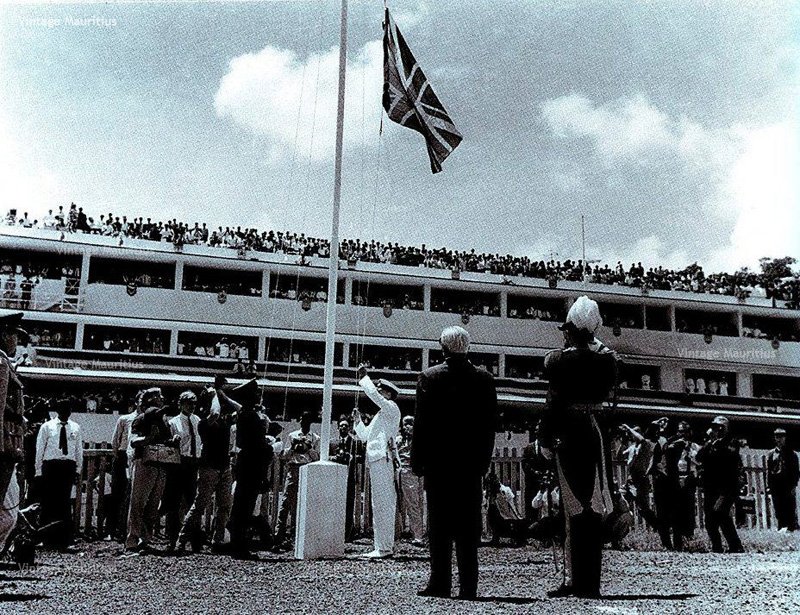
Port Louis Champ de Mars Independence Day Flag Raising 1968
Mauritius celebrates its Independence Day on March 12, marking the date in 1968 when the island gained independence from British colonial rule. This historic day was the result of a long struggle for self-governance and freedom, led by political figures such as Sir Seewoosagur Ramgoolam, widely regarded as the “Father of the Nation.” The transition to independence was peaceful, reflecting the unity and resilience of the Mauritian people, who were composed of diverse communities, including descendants of Indian, African, Chinese, and European settlers. Independence Day celebrations on the island are marked with national pride, featuring flag-raising ceremonies, parades, and cultural performances that showcase Mauritius’s unique blend of cultures.
Independence allowed Mauritius to establish its own government, economy, and policies, paving the way for the nation’s transformation into a stable, prosperous democracy. March 12 also commemorates Mauritius becoming a republic in 1992, adding further significance to the day as a symbol of self-determination and national unity.
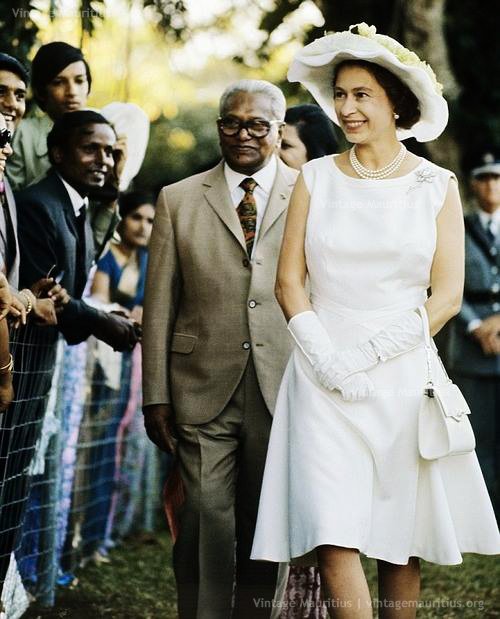
Queen Elizabeth Visit Mauritius SSR 1972
Queen Elizabeth II visited Mauritius in March 1972 as part of her tour of several Commonwealth nations. This visit was significant as it marked the first time a reigning British monarch visited the island. During her stay, she engaged in various official activities, including meetings with local leaders and attending events that celebrated the cultural heritage of Mauritius. The visit was well-received and is remembered as an important moment in the history of the relationship between the United Kingdom and Mauritius.
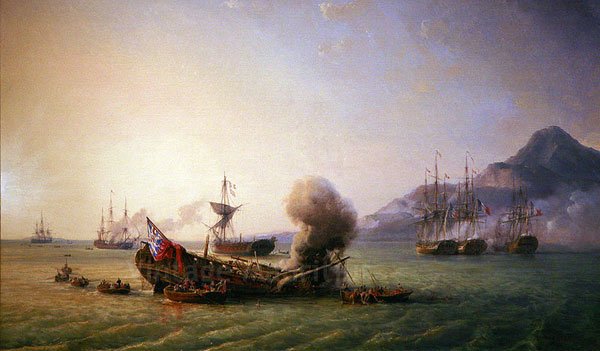
Battle of Grand Port
The Battle of Grand Port, fought between August 20 and 27, 1810, is a significant event in Mauritian history and remains the only major naval victory of the French over the British during the Napoleonic Wars. Located on the southeastern coast of Mauritius, Grand Port became the battleground as French forces defended their territory against British attempts to seize the strategic Indian Ocean islands. The battle saw intense naval combat, with the French, under Captain Guy-Victor Duperré and Captain Jacques Hamelin, skillfully using the coral reefs and narrow channels of Grand Port to their advantage. The British forces, led by Captain Samuel Pym, faced challenges navigating the tricky waters, resulting in the destruction or capture of several British ships. This victory boosted French morale and solidified the island’s reputation for resistance, even though Mauritius eventually fell to British rule later that year, in December 1810, after further battles and the British invasion at Cap Malheureux.
Today, the Battle of Grand Port is celebrated in Mauritius as a symbol of resilience and strategic prowess, and it is commemorated on the Arc de Triomphe in Paris. It remains a key moment of pride in the island’s colonial history.

Dutch Settlers in Mauritius
The Dutch colonisation of Mauritius began in 1638 and lasted until 1710, marking the island’s first European settlement. The Dutch, led by Admiral Wybrand van Warwyck, initially landed on the island in 1598 and named it “Mauritius” after Prince Maurice of Nassau. Their main aims were to establish a refreshment stop on the trade route to the East Indies and to exploit the island’s natural resources, including ebony wood and tortoises.
During their rule, the Dutch introduced sugarcane, deer, and domestic animals, which would later become central to Mauritian agriculture and culture. However, the colony faced many difficulties, including extreme weather, cyclones, and frequent attacks from pirates, which hindered its development. Furthermore, the island’s isolation and lack of fresh water made life challenging for settlers, leading to the abandonment of the colony in 1710.
Despite their relatively short presence, the Dutch left a lasting legacy. They introduced key plants and animals and are also believed to have caused the extinction of the dodo bird, as hunting and habitat destruction took their toll on the native species. The Dutch departure left Mauritius open to future colonizers, and the island was eventually settled by the French
in 1715.

The Builders of Ile de France
French colonization of Mauritius began in 1715 when the French took control of the island, renaming it *Île de France*. Under French rule, Mauritius flourished as an important trading post and strategic naval base in the Indian Ocean. The French East India Company initially governed the island, but it later came under the direct rule of the French crown.
Governor Mahé de La Bourdonnais, appointed in 1735, played a crucial role in developing the island’s infrastructure, building roads, a harbor, and fortifications. He also
expanded the cultivation of sugarcane, which became the backbone of the island’s economy. Enslaved Africans and laborers from Madagascar and India were brought to work on the sugar plantations, which led to a significant increase in the island’s population and the development of a unique Creole culture.
The French influence on the island remains evident in the language, culture, and traditions of Mauritius today. Although the French lost Mauritius to the British in 1810 during the Napoleonic Wars, French customs, language, and legal systems endured, forming an integral part of Mauritian identity and heritage.

British Army Landing Bonhams 1842
A rare series, by a Private in the 65th, together with the four-page descriptive text and printed wrappers: Views in the Isle of France, [J. Innes, 1812]. The text describes the divisions involved in the operation and the inclement weather conditions that very nearly thwarted their disembarkation: “Divisions from Bengal and the Cape of Good Hope were expected; but it was determined by the threatening aspect of the weather, to sail without them early in the morning of the 22nd [of November]. The admiral, however, at this critical moment, received information that the Bengal convoy was approaching under the charge of Captain Broughton of his Majesty’s ship Illustrious. The fleet accordingly weighed and stood at sea; and, in the course of the same day, being joined by Captain Broughton, the whole bore up for the Isle of France”. Consequently, on the 29th of November 1810, with a force of over 11,000 men, and after “a smart action, which showed the French General that resistance was impossible…on 2 Dec. Decaen surrendered the island” (ODNB).
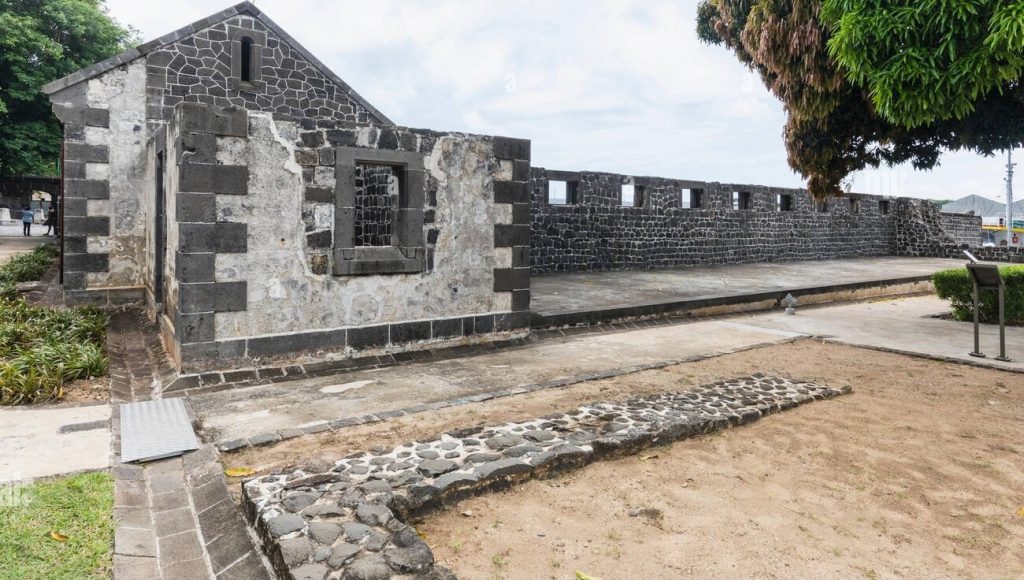
Appravasi Ghat
Aapravasi Ghat, located in Port Louis, Mauritius, is a UNESCO World Heritage Site and a powerful symbol of the island’s history of indentured labor. In the mid-19th century, following the abolition of slavery in the British Empire, Mauritius faced labor shortages on its sugar plantations. To address this, the British implemented a system of indentured labor, bringing over half a million workers from India to Mauritius between 1834 and the early 20th century.
Aapravasi Ghat served as the main immigration depot where these laborers first set foot on the island before being assigned to plantations. This immigration site is
significant as the birthplace of the modern indentured labor system, which later spread to other British colonies. It represents both the hardships and resilience of those who came seeking better lives, many of whom were subjected to difficult conditions but whose descendants now form a major part of Mauritian society.
Today, Aapravasi Ghat stands as a reminder of the journeys and contributions of indentured laborers to the cultural fabric of Mauritius. It has become a place of remembrance and heritage, honoring the sacrifices and legacy of those who helped shape the nation’s identity.
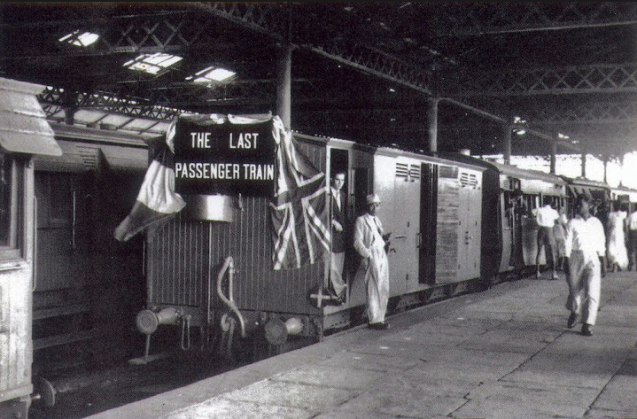
The Last Passenger Train
Mauritius was developing rapidly in the 1860s. To progress further, it needed to modernize its transportation system. As such, introduction of a railway network was essential for the future development of the island. With Port Louis as hub, the railway network quickly developed and was soon covering most of the island.
The first line opened in 1864; it was named the North line. The second line, the Midlands line, started functioning in 1865. With developing urbanisation, secondary lines were gradually extended. All of these lines were 4 ft 8+1⁄2 in (1,435 mm) standard gauge.
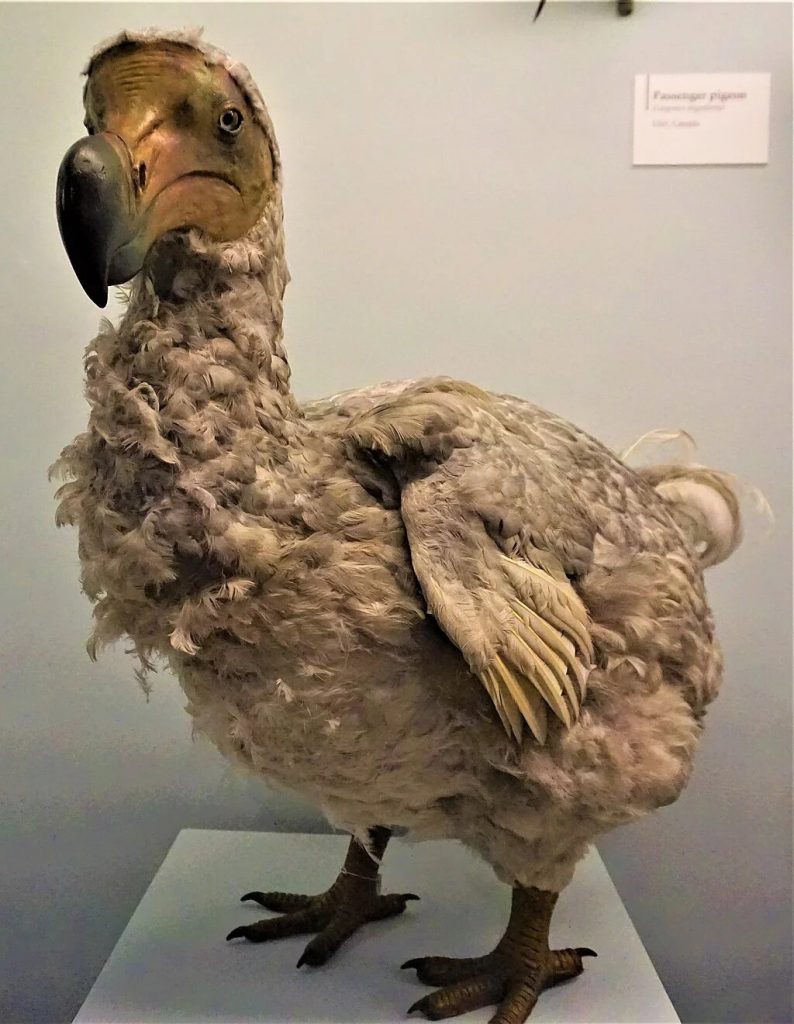
Dodo Bird That Went Extinct 399 Years Ago
The Dodo, an iconic symbol of Mauritius, was a unique, flightless bird native to the island. Discovered by Portuguese sailors in the late 16th century, the Dodo quickly became known for its large, round body, distinct beak, and inability to fly, as it had evolved in isolation with no natural predators.
Unfortunately, the arrival of humans marked the beginning of the dodo’s decline. The Dutch, who colonized Mauritius in 1638, hunted the dodo for food, while the animals they introduced, such as pigs, rats, and monkeys, preyed on the dodo’s eggs and destroyed its habitat. Due to these pressures, the Dodo became extinct by the late 17th century, with the last confirmed sighting around 1681.
The dodo’s extinction is one of the earliest recorded cases of human-driven species loss and remains a powerful symbol of the impact of human activity on biodiversity. Today, the Dodo is celebrated as a national emblem of Mauritius, representing the island’s unique natural heritage and serving as a reminder of the importance of
conservation.
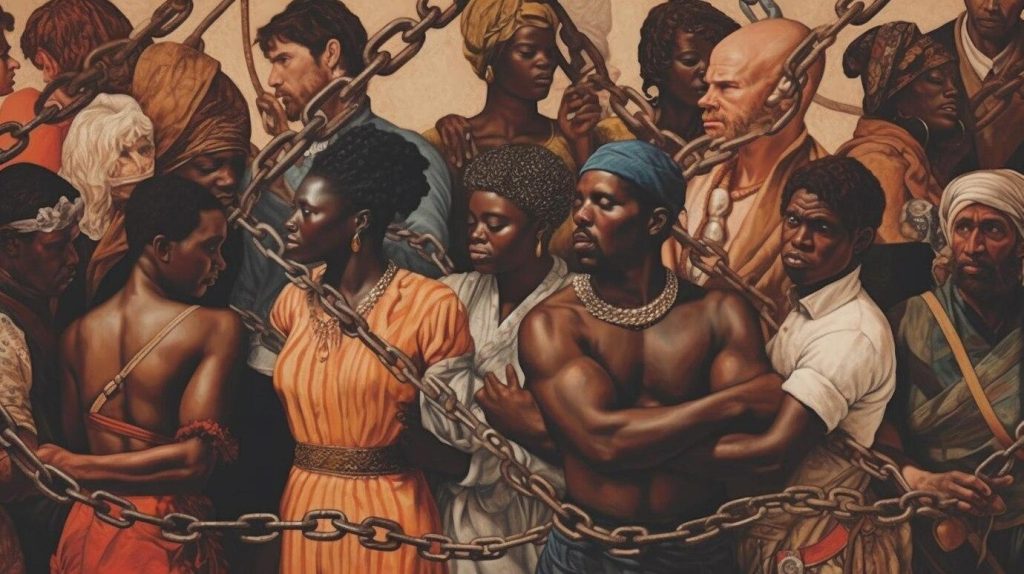
Slave Trade in Africa
Slavery was a tragic yet significant part of Mauritian history, shaping the island’s culture and society. Introduced during Dutch colonization in the 17th century and expanded by the French in the 18th century, enslaved Africans and Malagasy people were brought to Mauritius to work on sugar plantations, in households, and in construction. Under French rule, the slave population grew substantially, forming the backbone of the island’s economy and infrastructure.
The British took control of Mauritius in 1810 and, although slavery continued for some years, they ultimately abolished it in 1835. The end of slavery brought significant changes; former enslaved people were granted freedom, but they faced limited opportunities and harsh living conditions. To replace the labor force, the British introduced indentured labor, bringing Indian laborers who would transform the island’s demographics.
Today, the legacy of slavery is honored and remembered through historic sites like the Le Morne Brabant mountain, a UNESCO World Heritage Site symbolizing the resistance and suffering of enslaved people. This history is deeply woven into Mauritius’s multicultural identity and commemorated as part of the nation’s journey toward unity and freedom.
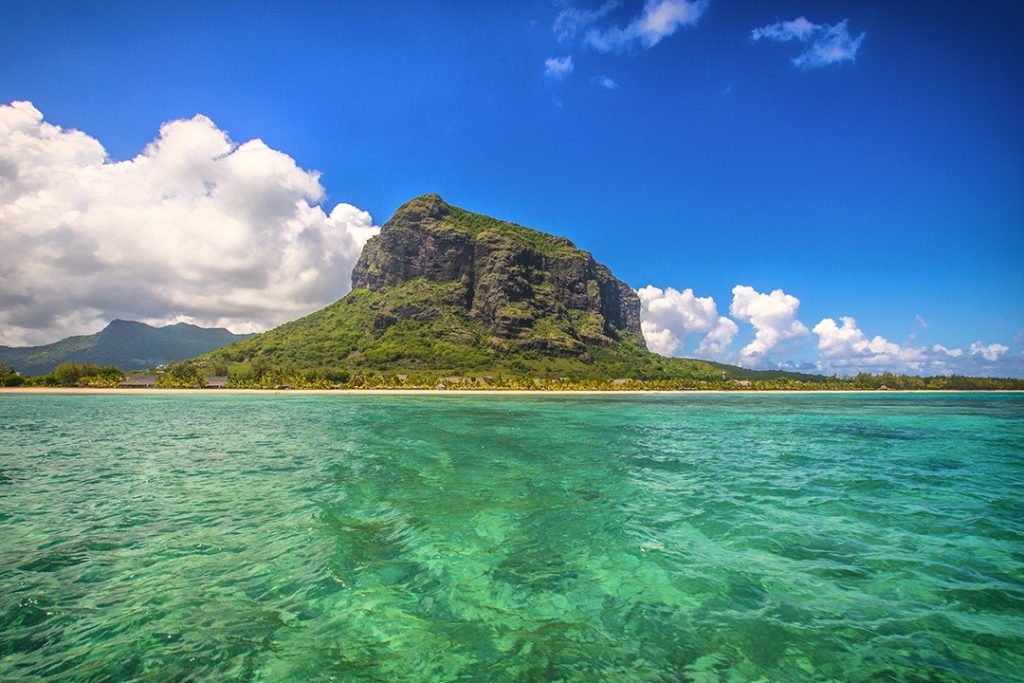
Le Morne
Le Morne Brabant is a prominent mountain located on the southwestern coast of Mauritius and is a powerful symbol of freedom and resistance in the island’s history. During the era of slavery, it served as a refuge for enslaved people who escaped from plantations, seeking safety and autonomy in its rugged terrain.
The mountain became a sanctuary for those fleeing oppression, where they formed communities and preserved their cultural identities in secrecy. Unfortunately, when British forces abolished slavery in 1835, rumors spread that a raid was imminent to capture the runaway slaves. In a tragic twist, many of them chose to jump from the cliffs of Le Morne rather than be recaptured, leading to the site being marked by sorrow and loss.
Recognizing its historical significance, Le Morne Brabant was declared a UNESCO World Heritage Site in 2008. It stands today as a symbol of the struggle for freedom and dignity, reminding all Mauritians of the resilience of their ancestors. The mountain is celebrated through various cultural events, and its legacy continues to resonate within the diverse tapestry of Mauritian identity, embodying the themes of liberation and remembrance.
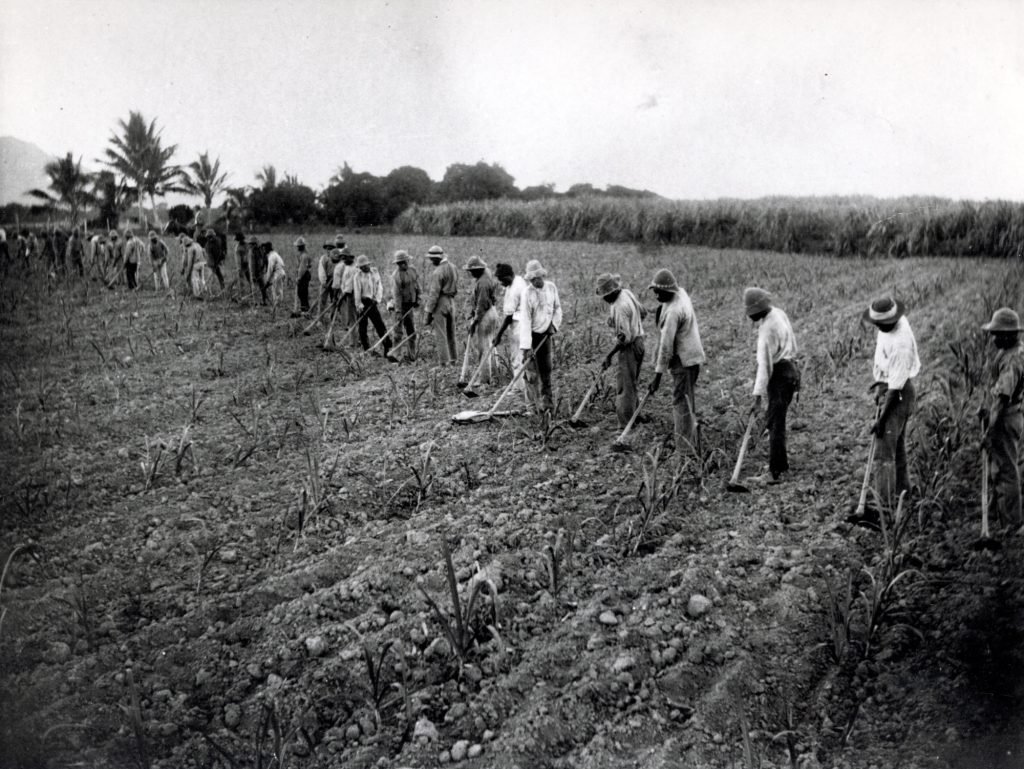
Indentured Labourers
Indentured labourers played a crucial role in shaping modern Mauritius, particularly following the abolition of slavery in 1835. With a significant labour shortage on sugar plantations, the British colonial government sought workers to replace enslaved individuals and turned to India for help. Between 1834 and 1910, over half a million indentured labourers, primarily from South India, arrived in Mauritius under contracts that bound them to work for a fixed period, usually five years, in exchange for passage, wages, and the promise of land.
These labourers faced harsh conditions, including long hours, limited rights, and often inadequate living conditions. Despite these challenges, they brought with them rich cultural
traditions, languages, and religious practices, which significantly contributed to the island’s diverse cultural landscape. Festivals, cuisine, and languages from Tamil, Hindi, and other Indian cultures became integral to Mauritian identity.
The legacy of indentured labour is evident in the demographics of modern Mauritius, where descendants of these labourers form a substantial part of the population. The history of indentured labour is commemorated through various cultural events and memorials, serving as a reminder of the resilience and contributions of these communities to the nation’s development. Today, the story of indentured labourers is an essential chapter in the broader narrative of Mauritius, symbolising struggle, adaptation, and unity in diversity.
Champ de Mars
Port Louis, the capital city of Mauritius, has a rich and vibrant history that dates back to its founding by the French in 1735. Named after King Louis XV, the city was strategically located on the northwestern coast, making it an ideal harbour for trade and naval activities in the Indian Ocean. Under the guidance of Governor Mahé de La Bourdonnais, Port Louis became an important port for the French East India Company, facilitating commerce and the export of sugar, which became the island’s dominant industry.
The city’s growth was marked by the construction of significant infrastructures, such as forts, warehouses, and roads, which attracted a diverse population, including French settlers, enslaved Africans, and later, indentured labourers from India. This melting pot of cultures laid the foundation for the multicultural society that characterises Mauritius today.
Port Louis played a vital role during the British colonisation of the island, serving as a key military and administrative centre. The city continued to develop in the 19th and 20th centuries, becoming the heart of commerce, education, and politics in Mauritius. Today, Port Louis is known for its vibrant markets, colonial architecture, and cultural diversity, serving as a testament to the island’s historical journey and the rich tapestry of its people.
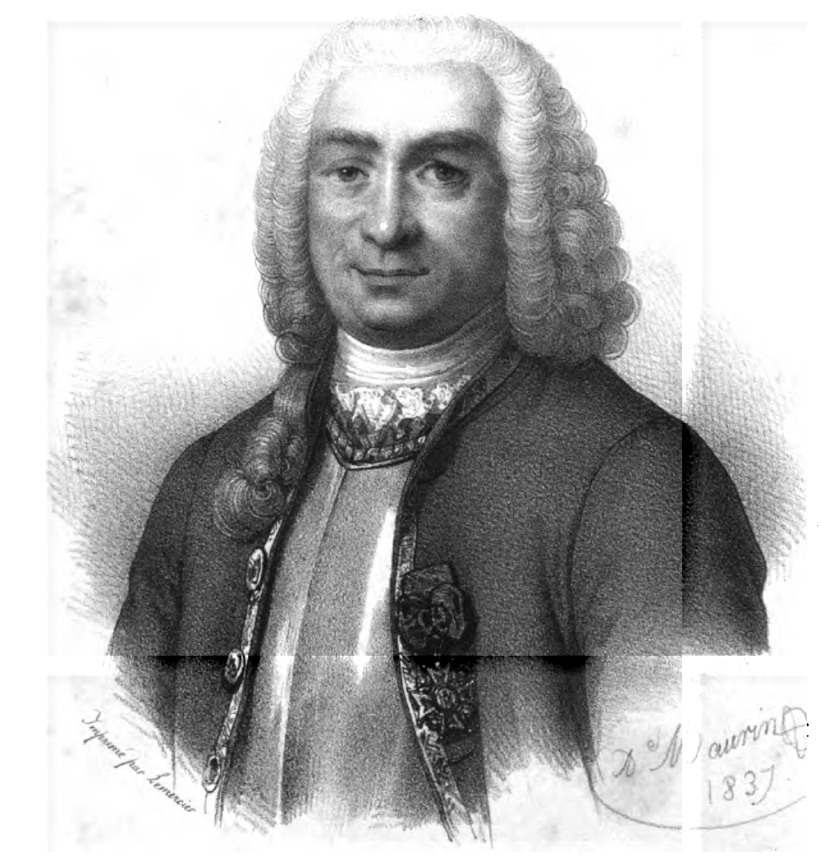
Mahe de La Bourdonnais
Bertrand François Mahé de La Bourdonnais and Antoine Maurin were two pivotal figures in the early history of Mauritius during the French colonial period. Mahé de La Bourdonnais, appointed governor of the island in 1735, is best known for transforming Mauritius into a thriving colony. His vision included the development of Port Louis as a strategic naval base and a commercial hub for the French East India Company. Under his leadership, significant infrastructure was built, including roads, fortifications,
and sugar plantations, which laid the groundwork for the island’s economy.
Antoine Maurin, who succeeded La Bourdonnais as governor in 1746, continued his predecessor’s work. Maurin focused on enhancing agricultural production, particularly in sugarcane, which became the backbone of the Mauritian economy. He implemented policies to attract settlers and indentured labourers, further diversifying the population and workforce.
Both leaders played crucial roles in establishing the foundations of modern Mauritius, fostering a multicultural society that would develop over the centuries. Their contributions not only shaped the island’s economy but also its social fabric, influencing the diverse culture that characterises Mauritius today.
Source: https://www.google.com/imgres?imgurl=https%3A%2F%2Fupload.wikimedia.org%2Fwik
ipedia%2Fcommons%2Ff%2Ff3%2FBertrand-francois_mahe_de_la_bourdonnais-antoine_maurin.
png&tbnid=upbA62K9aWhwqM&vet=12ahUKEwi03Pzs5ryIAxVh47sIHV3AAF8QxiAoB3oECAAQIg..i&imgrefurl=https%3A%2F%2Fcommons.wikimedia.
org%2Fwiki%2FFile%3ABertrand-francois_mahe_de_la_bourdonnais-antoine_maurin.png&docid=Pz8V_KLQ4P1p7M&w=821&h=866&itg=1&q=Mahe%20
labourdonnais&ved=2ahUKEwi03Pzs5ryIAxVh47sIHV3AAF8QxiAoB3oECAAQIg
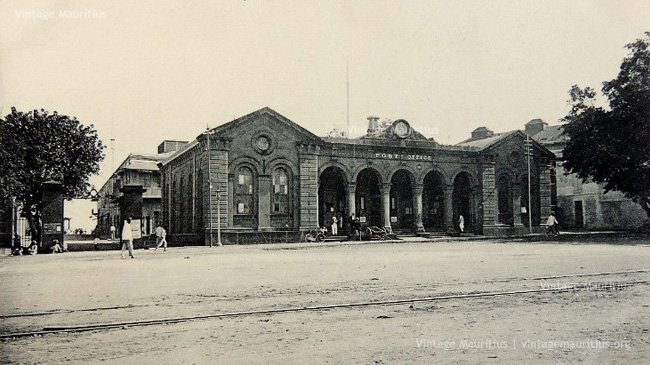
Port Louis - Central Post Office
The Port Louis Central Post Office is an iconic landmark in Mauritius, reflecting the island’s colonial history and architectural heritage. Built in 1883 during British rule, the post office was designed by the renowned architect, Sir Herbert Baker, and features a striking combination of Victorian and Mauritian architectural styles, including its distinctive clock tower and ornate façade.
As the main postal facility for the island, the Central Post Office played a crucial role in facilitating communication and commerce in the 19th and 20th centuries. It served as a hub for both local and international correspondence, contributing to the development of Port Louis as a vibrant commercial centre.
The post office not only reflects the evolution of postal services in Mauritius but also stands as a testament to the island’s rich cultural history. Over the years, it has witnessed significant events and changes, including the transition from colonial rule to independence. Today, the Port Louis Central Post Office remains an important historical site, symbolising the enduring legacy of Mauritius’s